
Why Lime Plastering Is Essential for Traditional Buildings
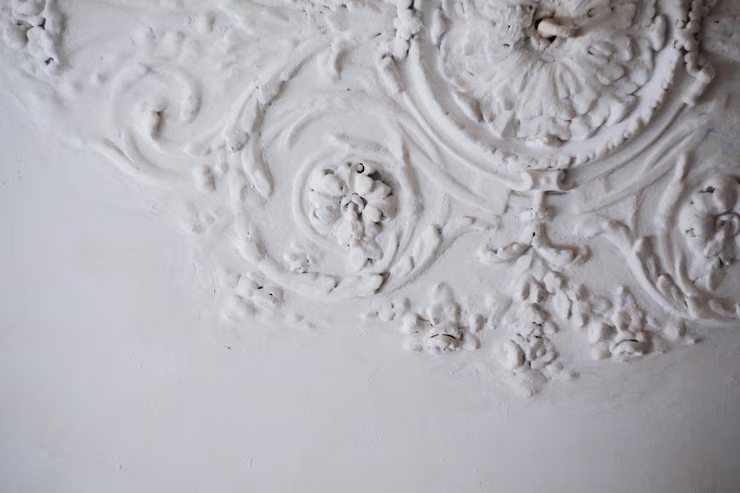
Ornamental plastering plays an important role in preserving the historic character of traditional buildings. Many heritage properties feature decorative plaster elements such as cornices, ceiling roses, mouldings, and intricate architectural details. Over time, these delicate features can become damaged due to age, structural movement, or previous repairs carried out using unsuitable materials.
Restoring ornamental plaster requires a high level of craftsmanship and attention to detail. Skilled plaster specialists carefully study the existing design to ensure that any repair or replacement perfectly matches the original structure. By using traditional techniques and compatible materials, the restoration work blends seamlessly with the existing plasterwork.
One of the key challenges in ornamental plaster restoration is maintaining authenticity. In many heritage properties, the decorative plaster is unique and cannot simply be replaced with modern alternatives. Instead, craftsmen must replicate the original profiles, textures, and finishes to preserve the building’s historical value.
Professional ornamental plaster repair typically includes several careful steps to ensure the best possible result.
Common ornamental plaster services include:
-
Matching and repairing damaged cornices
-
Restoring decorative ceiling mouldings
-
Recreating missing plaster features
-
Repairing cracks in historic plasterwork
-
Preserving original decorative elements
Proper restoration not only improves the appearance of a building but also protects its architectural heritage for future generations. When carried out correctly, ornamental plaster repairs are virtually invisible, allowing the beauty of the original design to remain the focal point.
For homeowners and property managers of heritage buildings, investing in specialist ornamental plastering services is an essential part of responsible building conservation.