
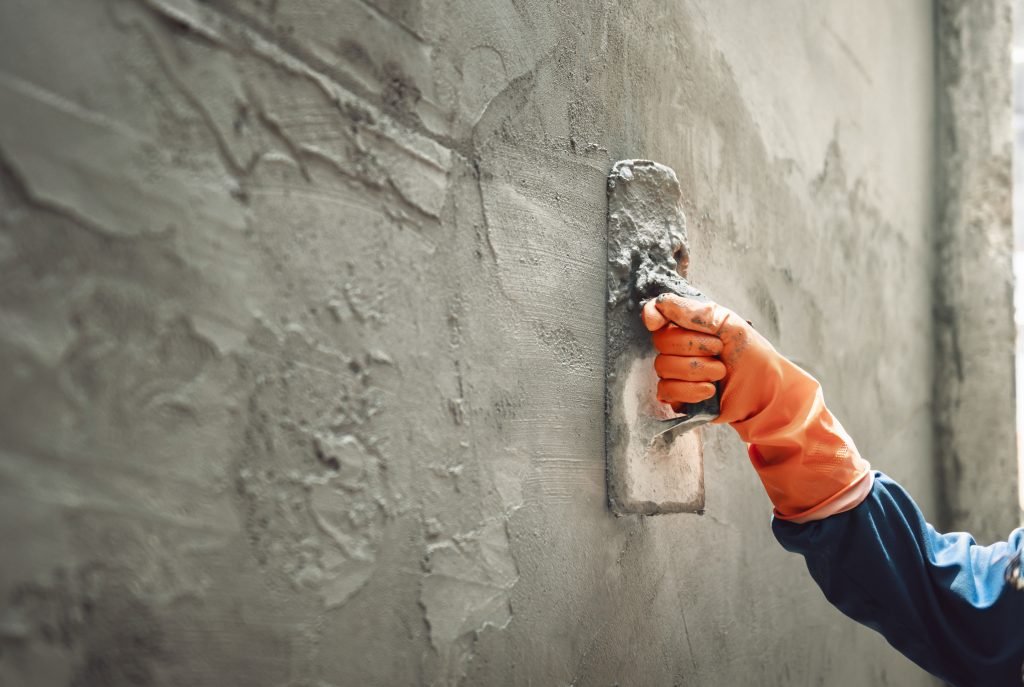
Why Lime Plastering Is Essential for Traditional Buildings
Lime plaster has been used in construction for centuries and remains one of the most important materials for restoring historic buildings. Unlike modern cement-based plasters, lime plaster allows walls to breathe naturally, helping to regulate moisture and prevent long-term structural damage.
Many older buildings were originally constructed using lime-based materials. When modern materials are used during repairs, they can trap moisture inside the walls, leading to damp problems, cracking, and deterioration. Lime plaster works differently by allowing moisture to evaporate naturally through the wall surface.
Another advantage of lime plaster is its flexibility. Historic buildings often move slightly over time due to environmental conditions and the natural aging of materials. Lime plaster is more flexible than cement, which means it is less likely to crack when the building shifts.
Using traditional lime plastering methods provides several important benefits for heritage properties.
Key benefits of lime plaster include:
-
Improved breathability of walls
-
Better moisture control
-
Reduced risk of cracking
-
Compatibility with traditional materials
-
Long-term protection for historic structures
Applying lime plaster correctly requires knowledge of traditional techniques and materials. Skilled craftsmen carefully prepare surfaces and apply the plaster in layers to ensure durability and proper curing.
For anyone involved in the restoration of historic buildings, lime plastering remains one of the most effective ways to maintain both structural health and historical authenticity.